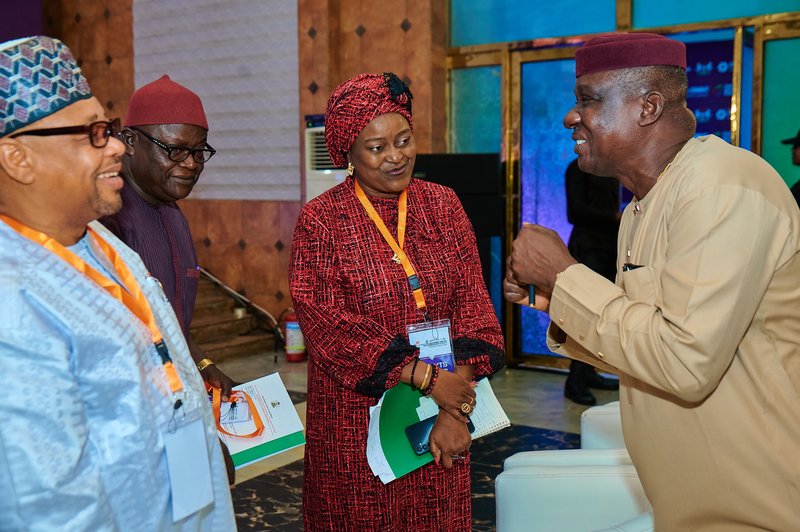
ABUJA, NIGERIA — November 5, 2026 — Nigeria’s national and state governments aim to enhance budget allocations for tackling neglected tropical diseases (NTDs) in their 2027 budget cycle, as part of the country’s ambition to generate sustainable, country-led funding models for NTD elimination.
Following the annual High-Level Meeting on NTDs held in Abuja in late October, the Federal Ministry of Health reported that 23 states created dedicated budget lines for NTDs in 2026. States also pledged increased support with Kano State committing an additional 100 million Naira (US $75,000) toward snakebite envenoming efforts, while the Kaduna State House of Assembly aims to increase its 2027 budgetary commitment by 50%. These commitments build on momentum from the 2025 financial year that saw 19 of the country’s 36 state governments establish over US$1 million cumulatively in dedicated budget lines for the national NTD programme, to accelerate progress towards the 2030 elimination targets set by the World Health Organization.
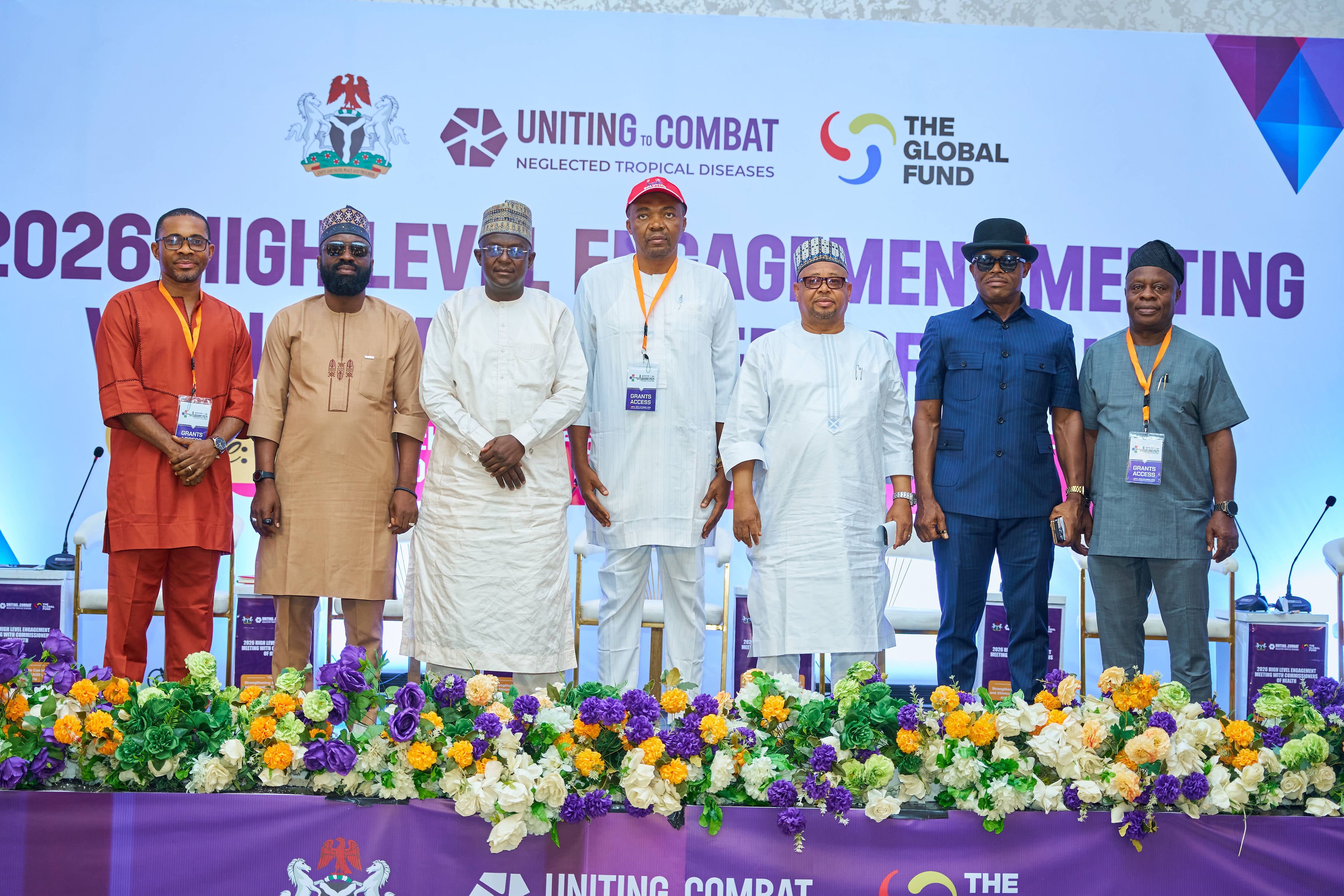
Nigeria accounts for 25% of Africa’s total burden of NTDs, a group of 21 diseases that can cause disability, disfigurement and death.The need to establish dedicated budget lines for NTD programmes was the focus of this late-October meeting. Convened by Uniting to Combat NTDs in collaboration with the Federal Ministry of Health and Social Welfare and The Global Fund, it brought together state health leaders,Commissioners of Health from the 36 states, national and state legislators – including chairs of the budget appropriation and implementation committees – programme managers, and development partners. Themed "Strengthening Efforts to Control and Eliminate NTDs, HIV/AIDS, TB, and Malaria in Nigeria," the gathering aligned political will with concrete financial action for the upcoming 2027 budget planning cycle.
Speaking on the sidelines of the meeting, Hon. Amos Magaji, Chair of the House Committee on Health, committed to securing a significant portion of basic healthcare provision funds for NTDs from 2027 onwards. "For some time now, budget releases have been very poor. But efforts have been made not only to have budgets released for NTDs but to ensure that diseases like these are prioritized in health budgets," Hon. Magaji stated.
A major milestone of the meeting was progress made in unlocking co-financing opportunities with partners. Through timely releases of state-level domestic funds, Nigeria is positioned to leverage an additional US $7 million in external funds from the Reaching the Last Mile Fund (RLMF) for 2027, substantially multiplying the reach and impact of domestic investments.
Mr. Adebayo Peters, National Coordinator for NTDs at the Federal Ministry of Health, celebrated Nigeria’s gains in reducing its NTD burden, saying: “We have been able to drastically reduce the number of people affected by these diseases. The efforts to eliminate NTDs are successful because of the contributions we are getting both from the government and our implementing partners.”
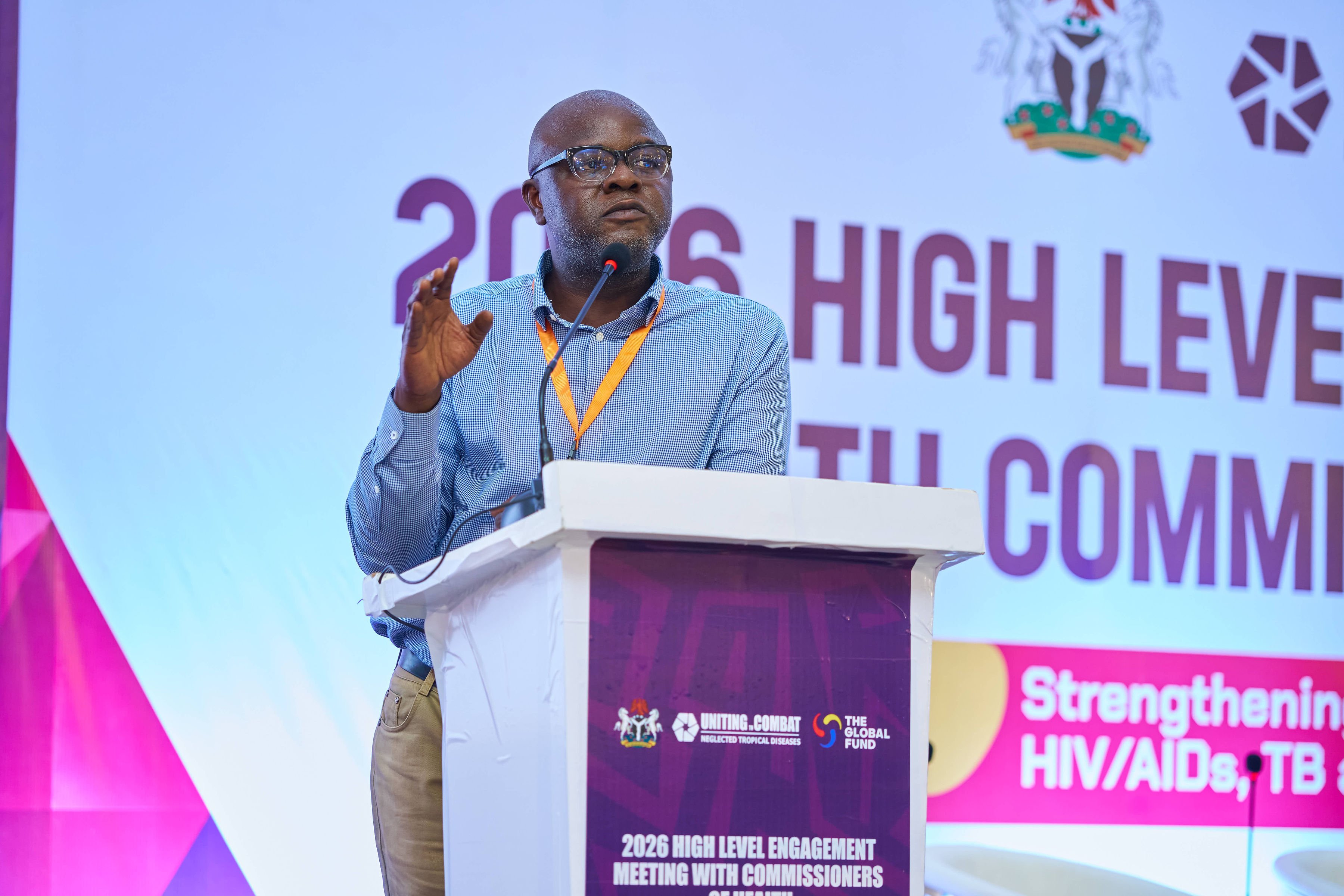
Mr. Gerald Ogoko, Head of Resource Mobilization at Uniting to Combat NTDs said: “Last year, 19 states established dedicated NTD budget lines totaling more than US$1 million; this year, 23 states have now reported dedicated budget lines. It's clear that Nigeria’s momentum on NTD financing is growing - and its leadership is setting a powerful example across Africa. We hope that following this meeting, Ministries of Health and legislators will build on that progress, bring more states into the effort and prioritize NTDs in the 2027 budget planning cycle”.
Backed by RLMF co-investments and national budget support, 89.7 million across Nigeria no longer need treatment for lymphatic filariasis according to the Expanded Special Project for the Elimination of NTDs (ESPEN). Additionally, approximately 200 million Naira (US $150,000) was mobilized in 2025 in the national health budget to tackle snakebite envenoming.
By unifying federal and state priorities under a single cohesive budget and shared monitoring framework, Nigeria is forging a sustainable path toward health equity, ensuring life-saving prevention and care reach every underserved community across the nation.