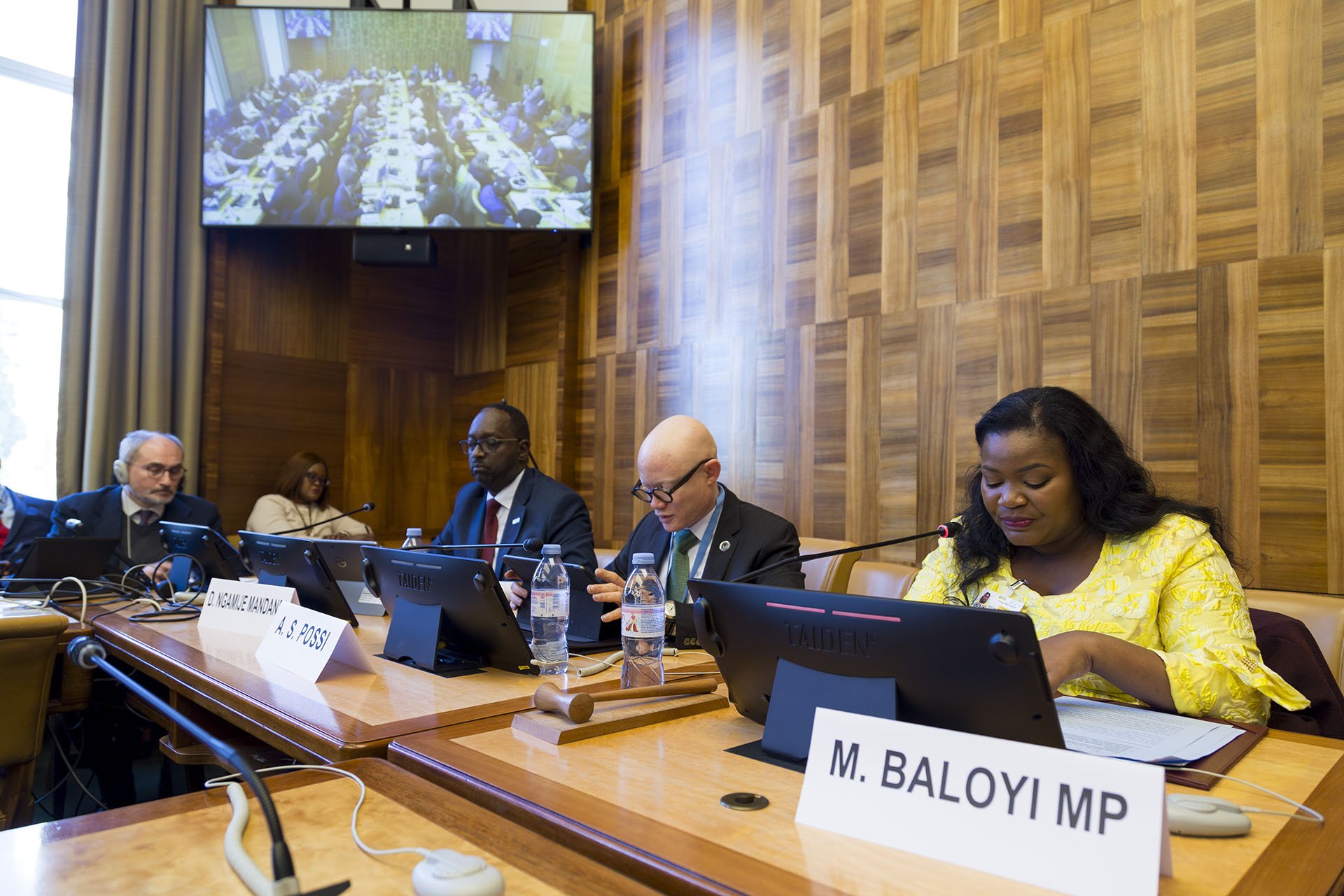
25 February 2026 – Geneva, Switzerland
Health ministers, global health leaders and stakeholders came together during the 61st session of the Human Rights Council to make a clear case: neglected tropical diseases (NTDs) are not only a matter of public health—they are a matter of human rights. At both a high-level segment and dedicated side event, discussions underscored that confronting them is essential to realising the right to health and advancing equality and dignity for more than one billion people worldwide.
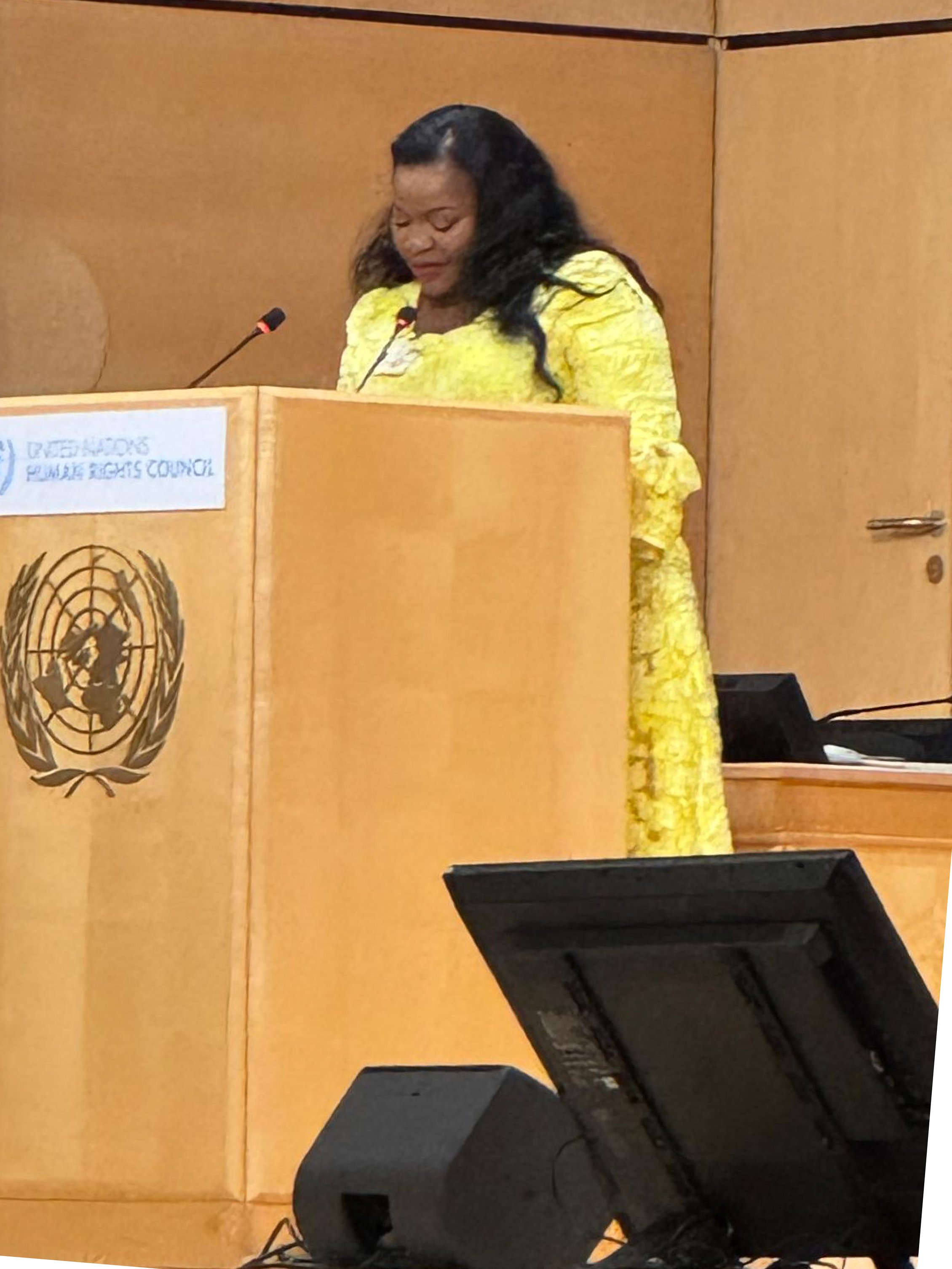
Speaking at the high-level segment of the 61st UN Human Rights Council (HRC), Malawi’s Health Minister, Hon. Madalitso Baloyi MP, announced plans to table a resolution on human rights and neglected tropical diseases (NTDs) at the 62nd session in June 2026, "Through this resolution, Malawi seeks to elevate neglected tropical diseases as a human rights concern, highlighting their impact on the right to health, the right to development, and the dignity of affected communities. We aim to promote prevention, treatment, international cooperation, and sustainable financing, while reinforcing national ownership and community-based approaches.”
Building on this announcement, a side event titled “Neglected Tropical Diseases as a Human Rights Issue,” examined how diseases that are largely preventable and, in many cases, treatable continue to disproportionately affect individuals and communities living in poverty, rural areas, conflict-affected settings and marginalised situations. Participants underscored that the persistence of NTDs reflects structural inequalities, weak health systems, stigma and chronic underinvestment—conditions that raise fundamental human rights concerns.
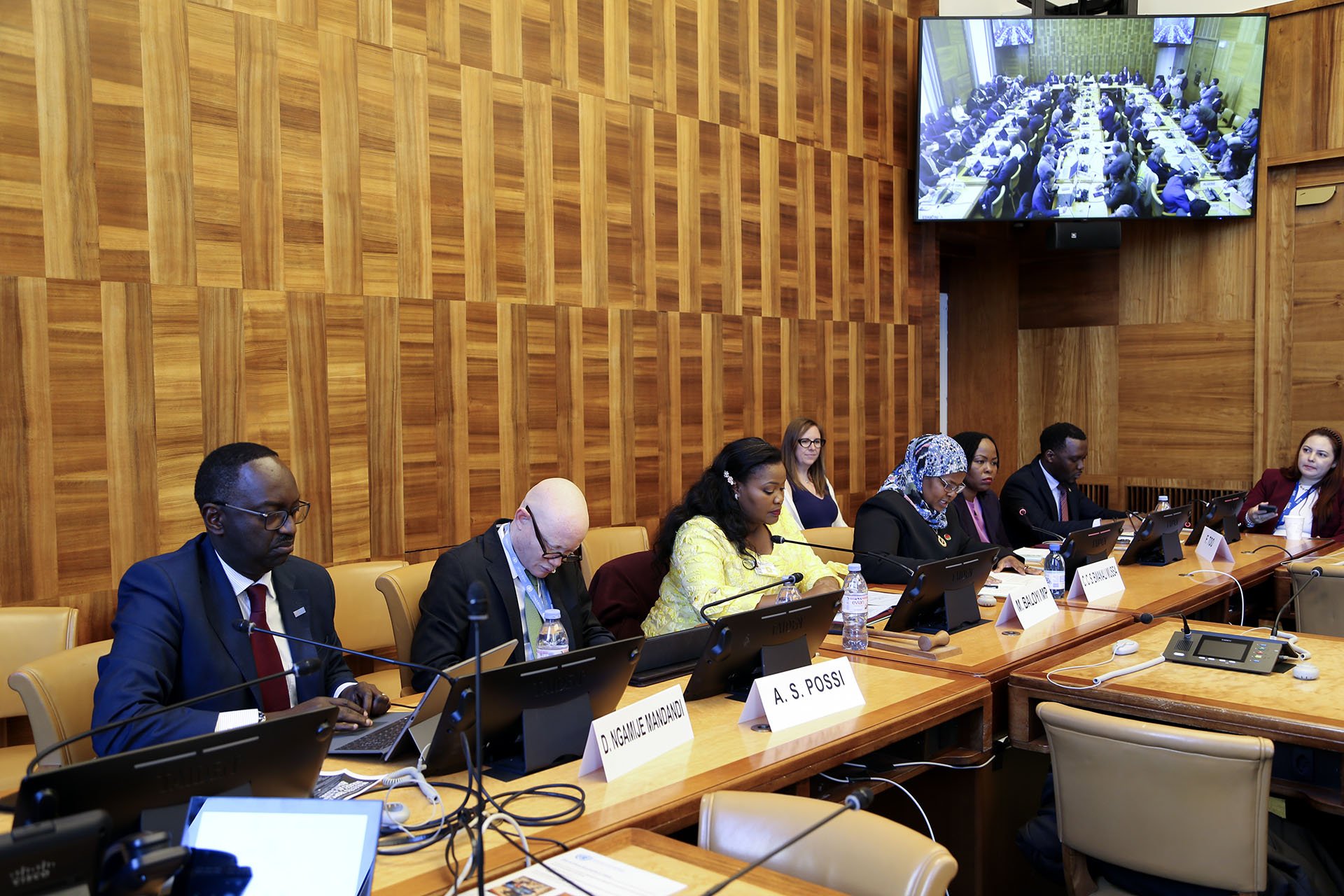
Speakers at the event emphasised that States have obligations to respect, protect and fulfil the right of their citizens to the highest attainable standard of physical and mental health. This includes ensuring that NTD prevention, treatment, and care are available, accessible, acceptable and of quality, without discrimination. The continued neglect of NTDs highlights gaps in the realisation of these obligations, particularly for populations already marginalised from social, political and economic life.
Dr Daniel Ngamije Madandi, Director of Malaria and Neglected Tropical Diseases at the World Health Organization, highlighted both progress and responsibility. “We have seen incredible progress in fighting neglected tropical diseases, reducing the number of people requiring interventions and saving millions from preventable illness. That progress contributes directly to advancing human rights by improving health, restoring dignity and expanding opportunity. Approaching NTDs through a human rights lens promotes equity, strengthens accountability and improves accessibility and quality of services for those most at risk.”
Moderated by Ines Egino, Head of Strategic Partnerships & Advocacy, Anesvad Foundation, the discussion also highlighted the lived experiences of affected communities and the human rights impacts of stigma, disability and social exclusion linked to NTDs. “When individuals are excluded from education, employment or community life because of NTD-related stigma or disability, their rights are directly affected. Recognising this connection helps align health action with human rights commitments.”
Stuart Halford, Director of Advocacy for Resource Mobilisation, Uniting to Combat NTDs, said, “Malawi’s announcement to table a resolution on neglected tropical diseases and human rights marks an important step in recognising the enormous burden NTDs place on communities already facing poverty and inequality. These diseases cause preventable suffering, disability and stigma that undermine dignity and opportunity. By advancing the link between NTDs and human rights at the Human Rights Council, Malawi is helping to underscore that elimination is not only a public health goal, but a matter of justice—grounding NTD action in human rights strengthens accountability, promotes equity and accelerates progress toward the right to health for all.”
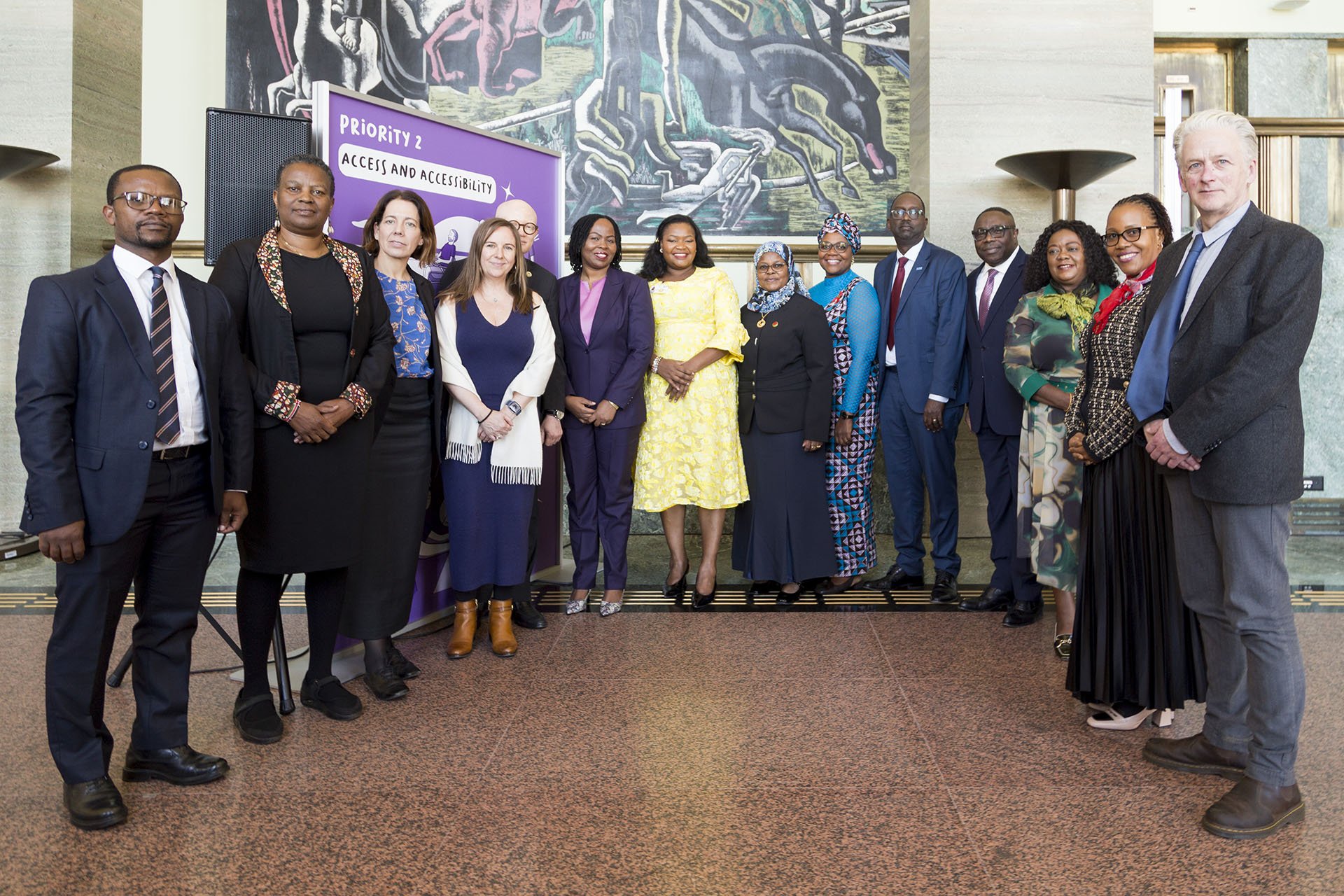
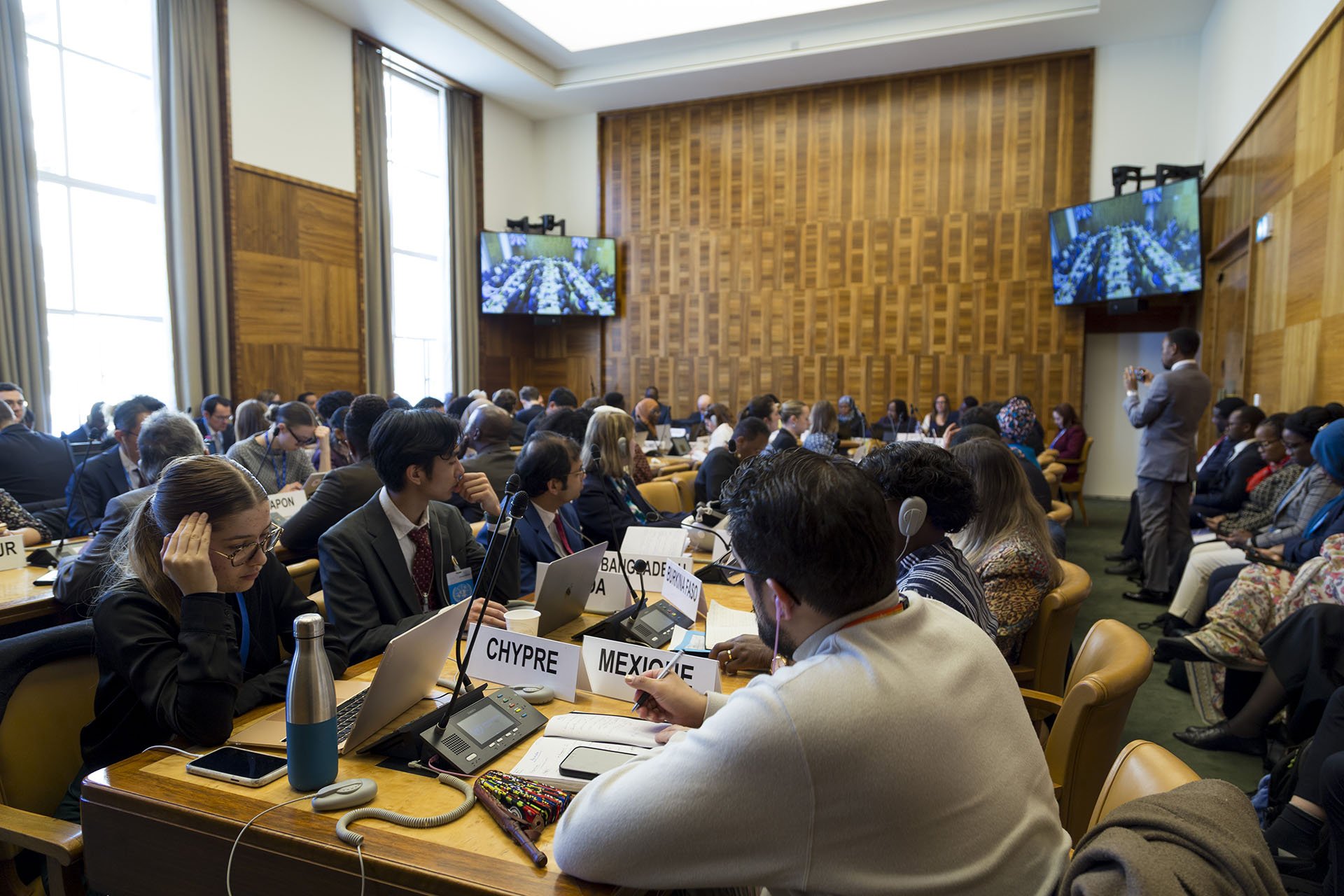
The event, organised by Uniting to Combat NTDs and Anesvad Foundation in conjunction with the Permanent Missions of Malawi, Tanzania, Kenya, Burkina Faso, Morocco and The Gambia, reinforced growing momentum to situate NTD prevention and care within existing human rights frameworks and to strengthen collaboration between the global health and human rights communities. With over 40 member states represented in the room, participants underscored that eliminating NTDs is not only a development and health priority—it is integral to achieving human rights for all.
For media inquiries, please contact:
Fernando Á. Busca, fernandoalvarez@anesvad.org, Anesvad Foundation
Laura Newman, laura@unitingtocombatntds.org, Uniting to Combat NTDs